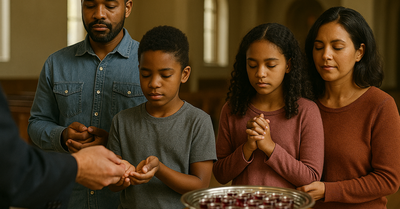
Vacation Bible School can plant seeds that last a lifetime—but only if children truly hear and understand the gospel. Here are five specific ways we can pray for that to happen this summer.
There are two “camps” of people on either side of the spectrum. One group is shouting, “Summer camp all the way!” While the rest says, “I’ll not be sending my kid to camp—now or ever!”
The work done by a stay-at-home mom is not easy by any stretch of the imagination. It’s hard, yet it’s fruitful because it’s eternal work. If you get anxious (and you will), pray to our Lord, who is at hand. He’s never far from you. Let Him know how you’re doing and what you need.
The enemy is hard at work, misleading our children in an already hyper-sexualized society with messages about their bodies, love, and marriage. His approach is nothing new, but where the messages were once a bit more subtle, they are now glaringly obvious, blatantly going against God's Word (1 Corinthians 6:19-20). Rather than honoring their body as a holy temple, there are endless questions about their gender, pressures to seek sinful pleasures, and temptations to lust after ideal body images or partake in sexual relations that go outside of God's plan.
Parenting is a blessing, but for many moms and dads, it can also become a source of deep depletion. What does parental burnout reveal about overload, unrealistic expectations, and the false belief that good parents must carry everything? Jesus invites weary parents into rest, wisdom, and faithful stewardship.
The following is certainly not an exhaustive list but comprises of scriptures that will encourage a pregnant mother. They demonstrate the God has his hand on your baby while she is in the womb. You might like to pray through these verses as you are pregnant and claim these promises. Whether you are mother-to-be, grandmother-to-be, Aunty-to-be, or happy friend, your prayers make a difference in her tiny life.
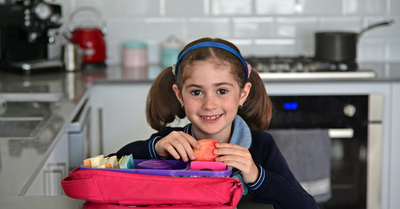
Upgrading your child’s lunch does not have to mean giving them higher-quality meat or baking endless amounts of cookies. Instead, it can be in the form of a loving note from you to them.
Before the rush of school and work, gather your family to seek the Lord. These daily prayers (one for each day of the week) invite God into your home with purpose, peace, and lasting joy.
When we seek God and study His word, our needs are filled so we can love our people from a place of wholeness rather than emptiness. Instead of surviving the empty nest, we just might find ourselves thriving.
Your child may need some friendly reminders and a little coaxing to get everything done in this home stretch. But take the opportunity to also express your pride in the person your child has become.
We pray for all the multitude of new relationships our graduates will form. Lord, we ask that they find a local church and get plugged in wherever they go. It is our hope they don't abandon the practice of gathering together with the saints. Lord, we ask for godly friends who will draw them closer to You, not lead them astray.
Fathers are just as involved with their kids as mothers are. Parents are more apt to apologize for their mistakes. Yet children of a future generation may still adopt the model they saw in their house growing up. Some generations often used control and punishment as ways to curb bad behavior and reward good behavior—yelling and other forms of corporal punishment that may not be appropriate today were appropriate back then. Therefore, kids of younger generations have trouble understanding what it means to parent their child in a gentle way that allows them their own autonomy but still helps them become selfless, well-adjusted individuals.
No matter how well we plan, the future holds a bit of uncertainty. However, the Bible is filled with comforting and encouraging graduation Bible verses.
Bounce back culture tells new moms they should recover quickly, look flawless, and carry motherhood without missing a beat. This article challenges three of the biggest myths behind that pressure and offers a more grace-filled, realistic vision of postpartum life. It is an encouraging reminder that mothers do not need perfection to be enough.
If you feel bogged down, disconnected from your faith, and wondering if your efforts are making a difference in the relentless drive of culture, you’re not alone. This article will help you articulate what you are up against and give you the fuel to dive deeper into the arms of Jesus and enrich your parenting rewards.
The season of summer is upon us, and kids are ready to be out of school. However, for some this will be the last time that they are in their school. Graduations are right around the corner and many emotions come along with it.
Mom-shaming has run rampant in our current society, whether you catch it on social media or from the people in your own community. Doubts can run deep in a mom's heart. But take heart, because God has some important reminders for the struggling mom. Allow these to strengthen and encourage you today.
Sponsored Links
Stay Connected With Us!
Choose which email subscriptions interest you most.
Salem Media, our partners, and affiliates use cookies and similar technologies to enhance your browsing experience, analyze site traffic, personalize site content, and deliver relevant video recommendations. By using this website and continuing to navigate, you consent to our use of such technologies and the sharing of video viewing activity with third-party partners in accordance with the Video Privacy Protection Act and other privacy laws.Privacy Policy